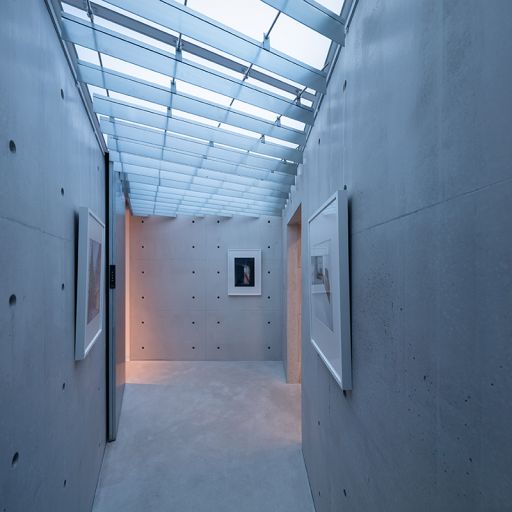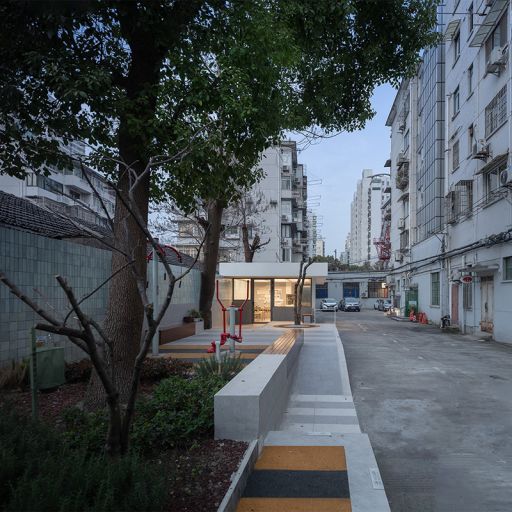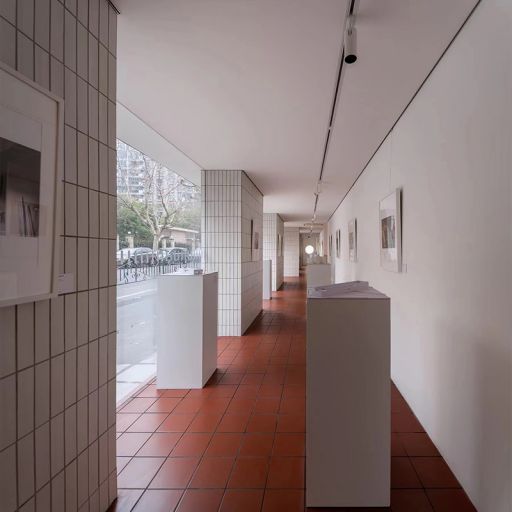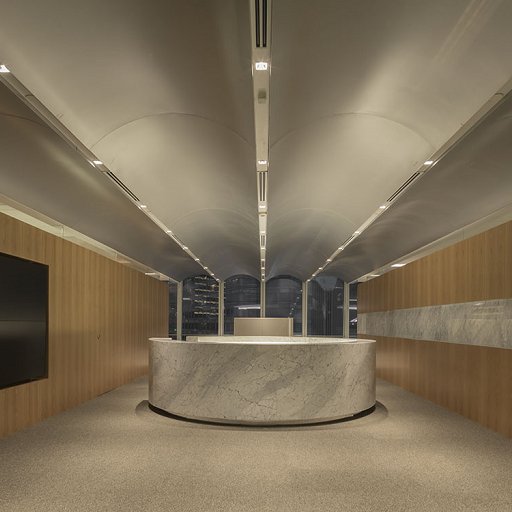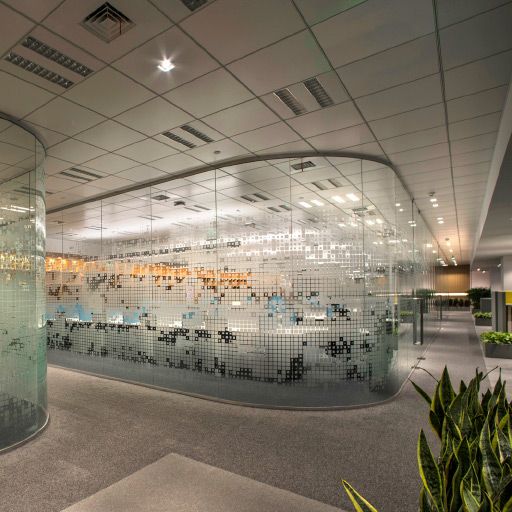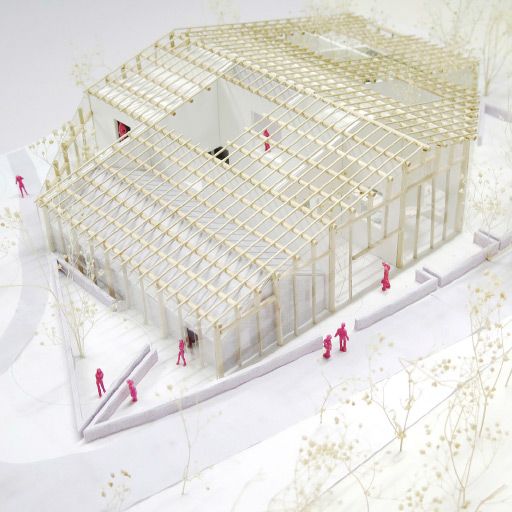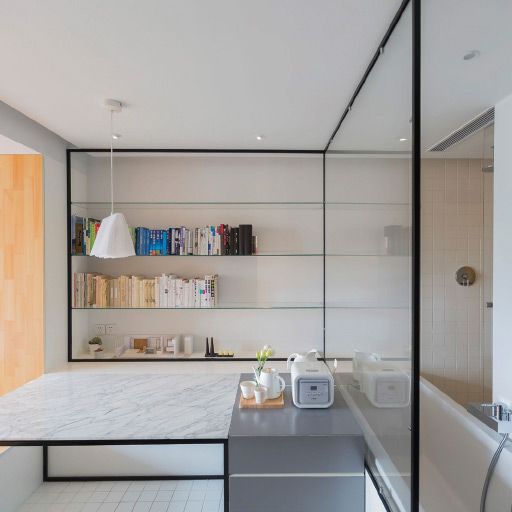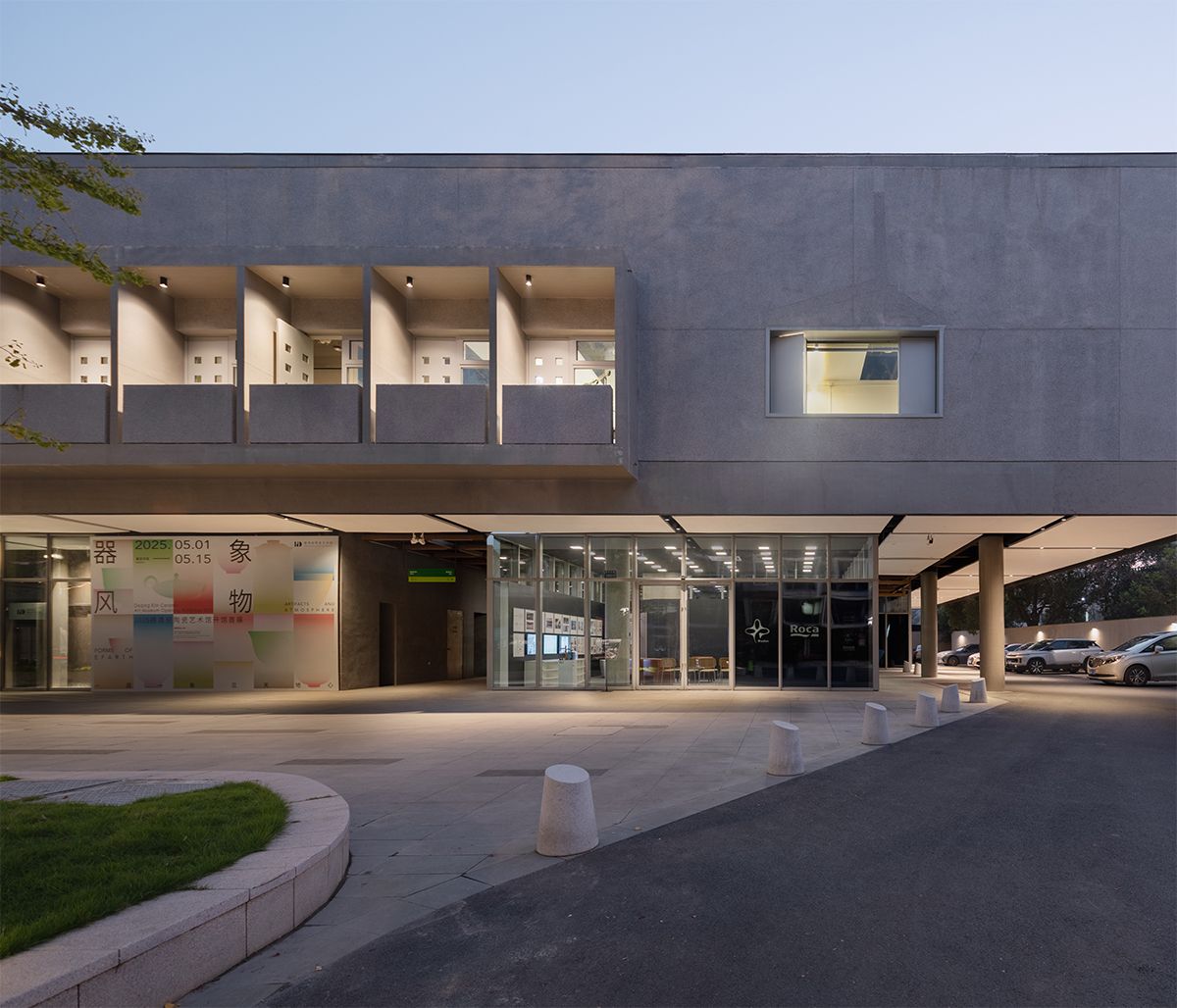
general view | 概貌
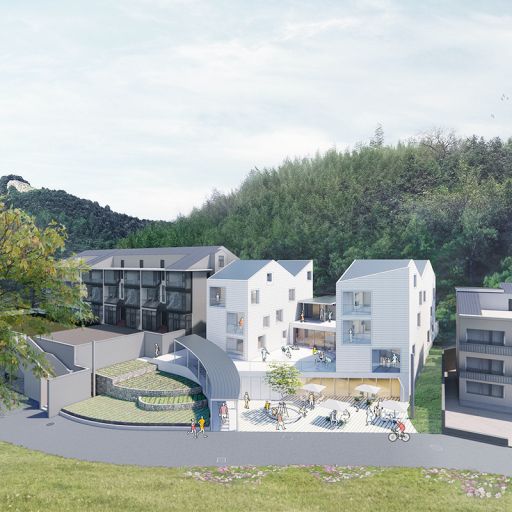
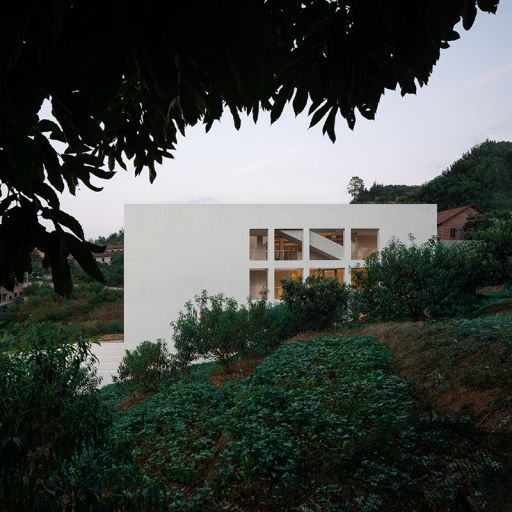
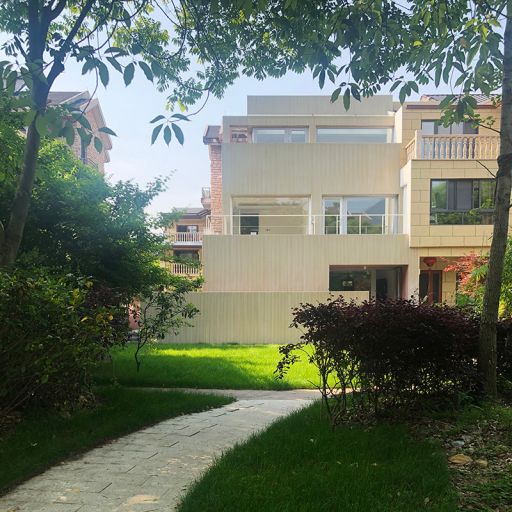
Located in Deqing, Huzhou, Zhejiang Province, Moganshan is part of the Tianmu Mountain range. Since late Qing Dynasty and early Republican period, the area has gradually developed a diverse collection of villas built by people from various countries including Britain, the United States, France, Germany, Russia, the Netherlands, and China itself, earning the reputation of “World Architecture Museum.” More than 250 villas remain today, some become protected heritage sites, while others have been renovated into boutique hotels and “yang jiale” (hill station) guesthouses. With its distinctive natural environment and strategic location at the core of Shanghai–Nanjing–Hangzhou triangle, Moganshan has evolved from a summer retreat and birthplace of China’s homestay culture into a lifestyle destination that merges the essence of rural living with an urban sensibility.
莫干山位于浙江湖州德清县境内,属于天目山余脉。从清末民初开始,莫干山逐渐形成风格多样的别墅群,建造者涉及英美法德俄荷中诸多国家,被誉为“世界建筑博物馆”,如今尚存的二百五十余座别墅中,有的成为重点文物保护对象,有的改造成“洋家乐”或酒店。独特的自然环境和地处沪、宁、杭三角核心区域的地理位置,让莫干山从避暑胜地、民宿文化发源地发展成融乡村与城市感于一身的生活体验目的地。
Roca × 米(mi) salon Space has found its place here.
Roca × 米salon Space 选在了这里。
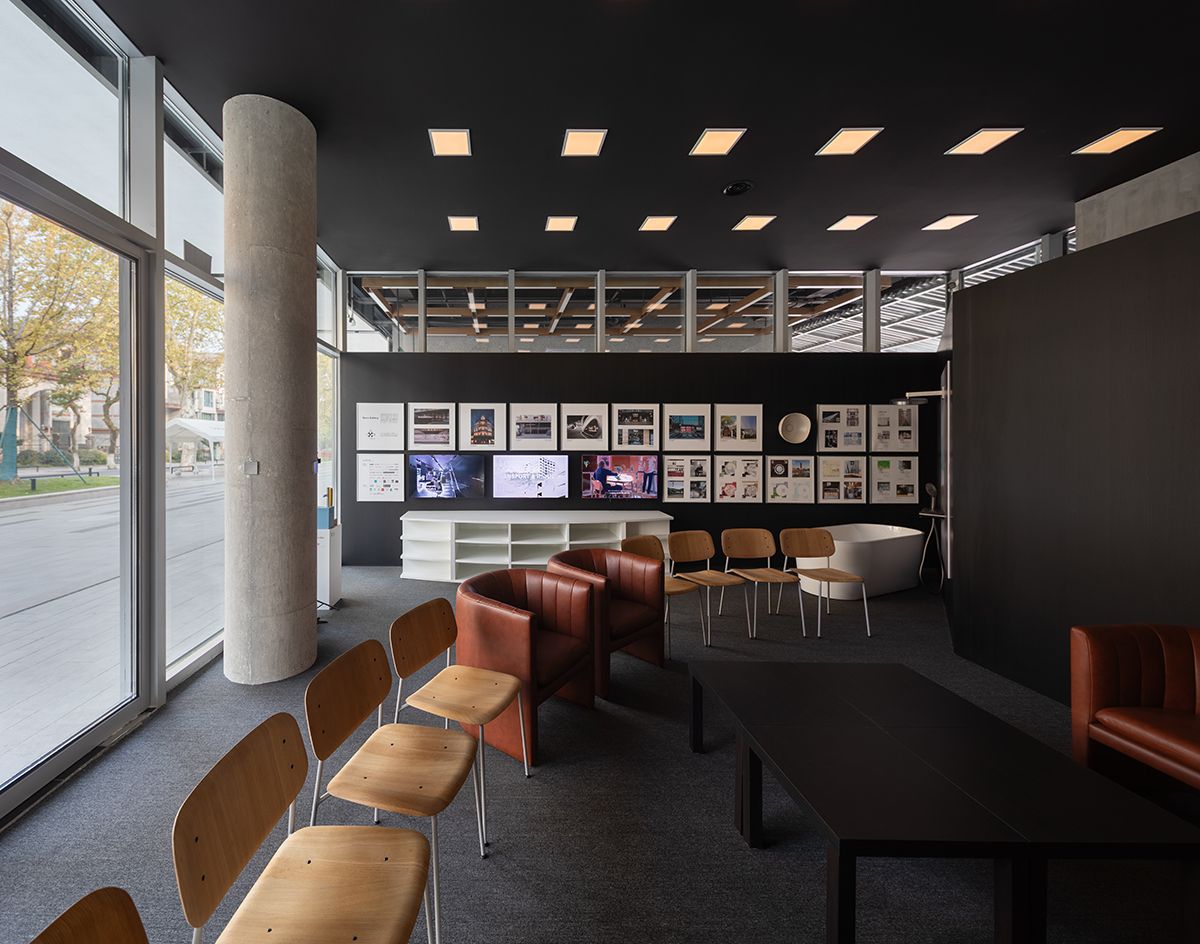
living room | 会客厅
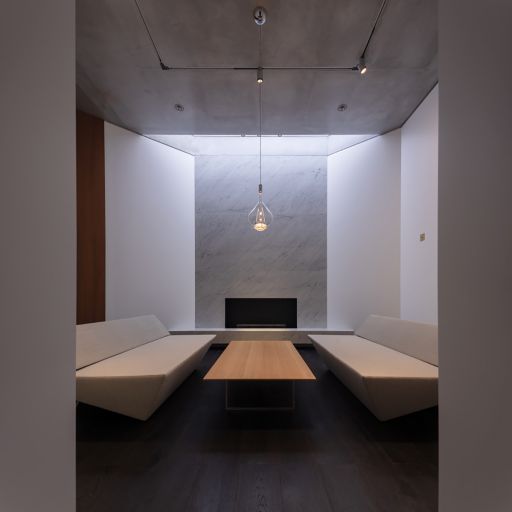
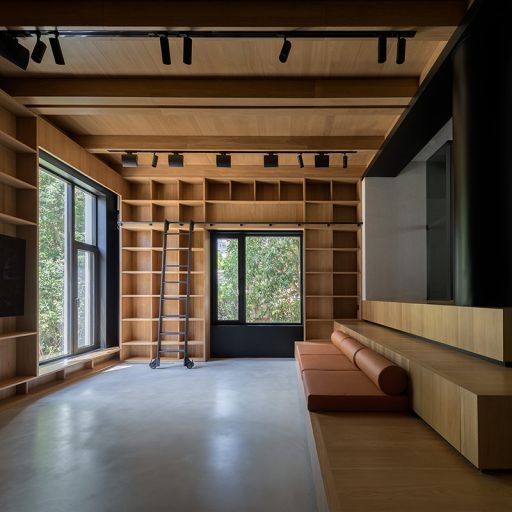
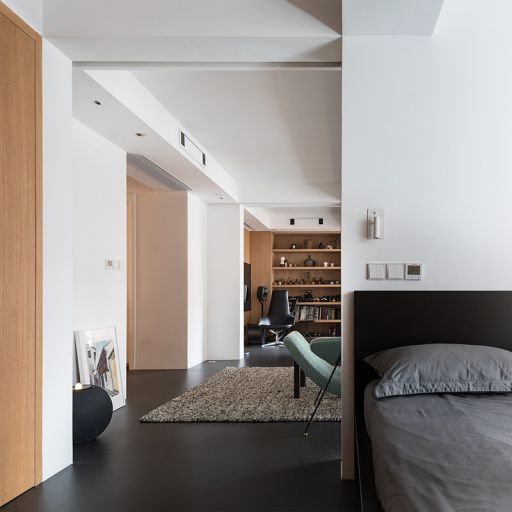
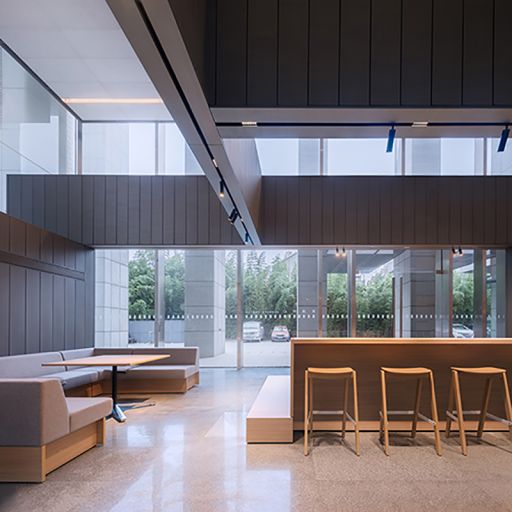
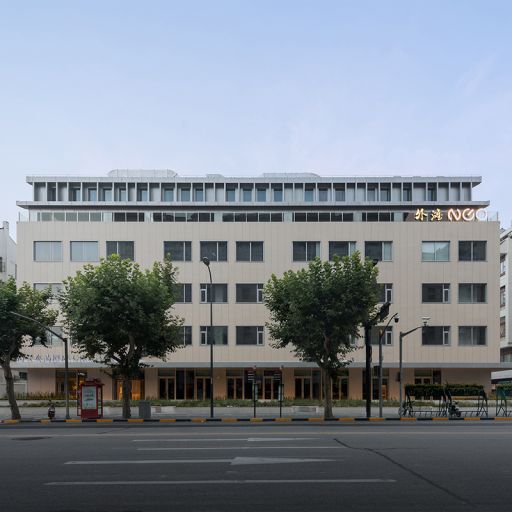
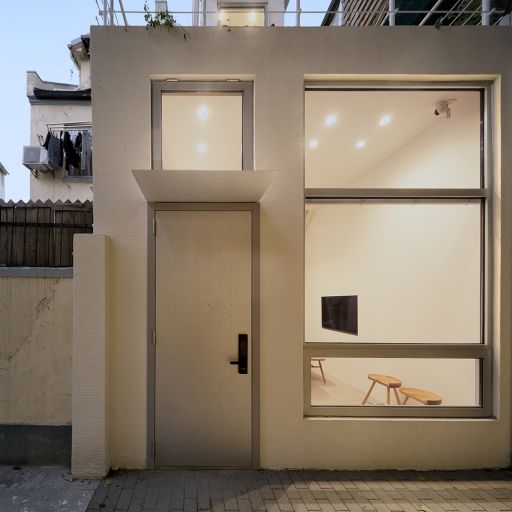
At 380 East Huangfu Road, Mogan Yu Street, the idea of “home” sets inside the 70 square meters space. Here, the scale of an ordinary two-bedroom apartment becomes the framework for imagining how people might live and gather. Faced with the raw condition of 3.9-meter-high commercial unit, the design aspires to soften the space: to bring warmth into a setting built for commerce, and to embrace the presence of daily life. Moments of wandering, pausing, resting, get-together and communicating are gently woven into the spatial experience, shaping a subtle yet tangible homelike vision.
在莫干庾街黄郛东路380号一层,“家”的构想被放置进这个70平方米的空间里,对应一般住宅两室一厅的布局和居住尺度,同时面对3.9米层高的纯商业空间条件,于是希望通过设计创造在商业空间里的居住体验,融入贴近身体尺度的空间感受和包括观赏、停留、聚会、休憩、交流等在内的日常功能,满足抽象意义上对家的想象。
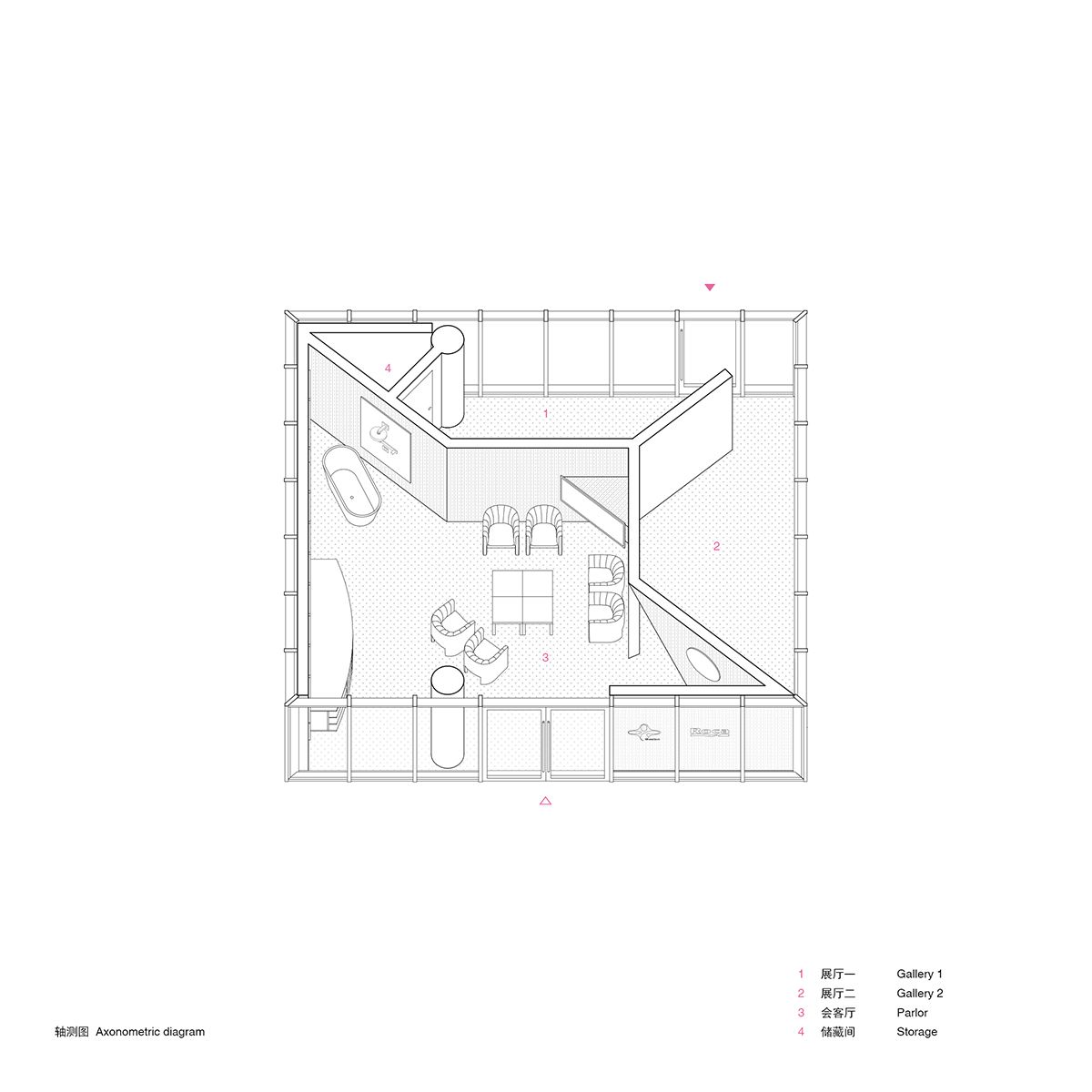
Inspired by this vision, the space unfolds in two chapters as “Daytime” and “Nighttime.” Echoing the two bedrooms and living room of a home, the contrast between “white” and “black” cues atmosphere transition. Two worlds coexist here, one for galleries, the other for gathering, creating a place where ideas and people connect.
依照构想,整个空间被划分为“白天”和“夜晚”两部分,分别对应两室一厅中的“两室”和“一厅”,采用白色和黑色色调,明确提示了两个部分的不同体验,并使它们各自承担展厅展览和活动沙龙的功能。
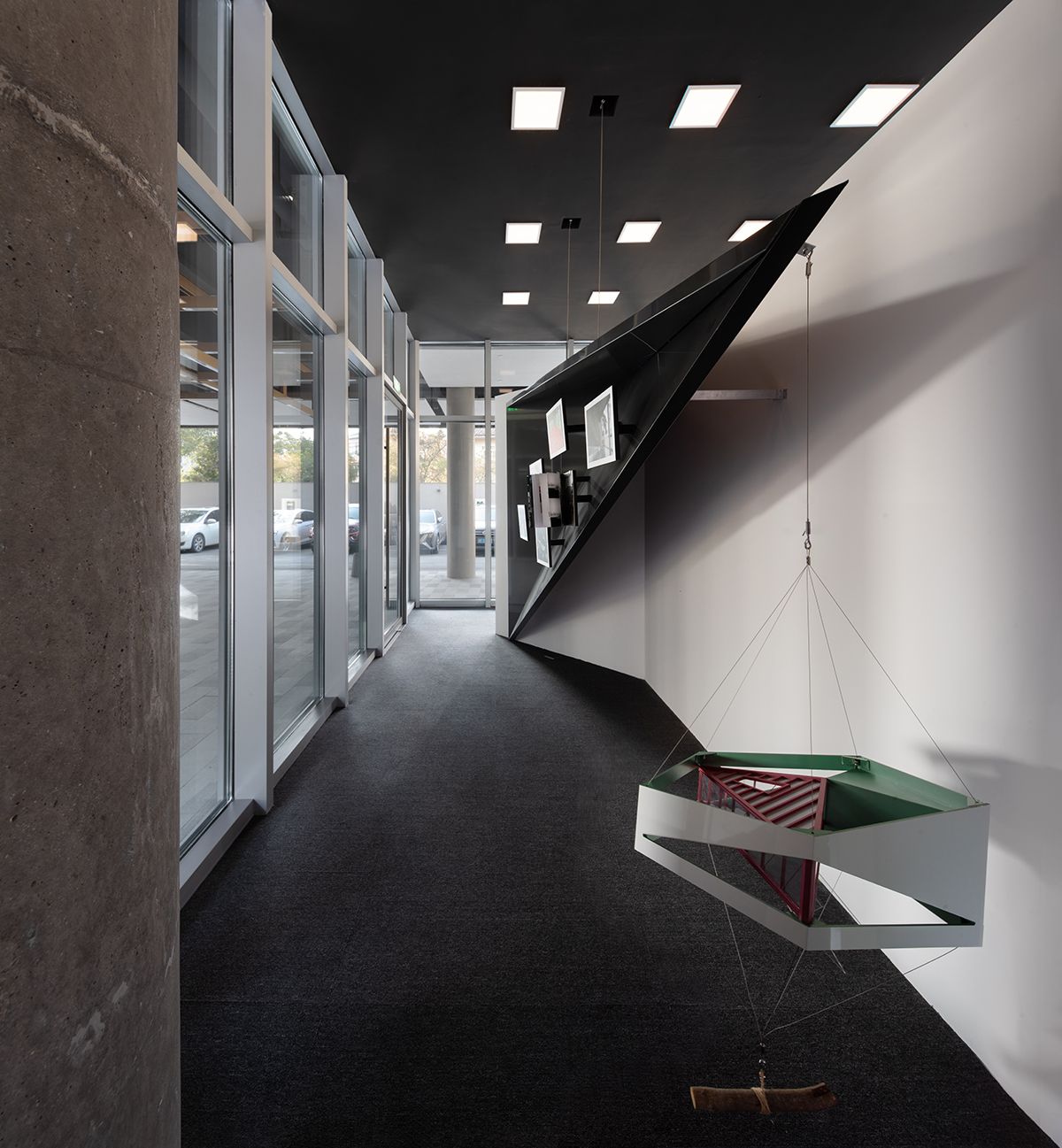
gallery 1 | 展厅一
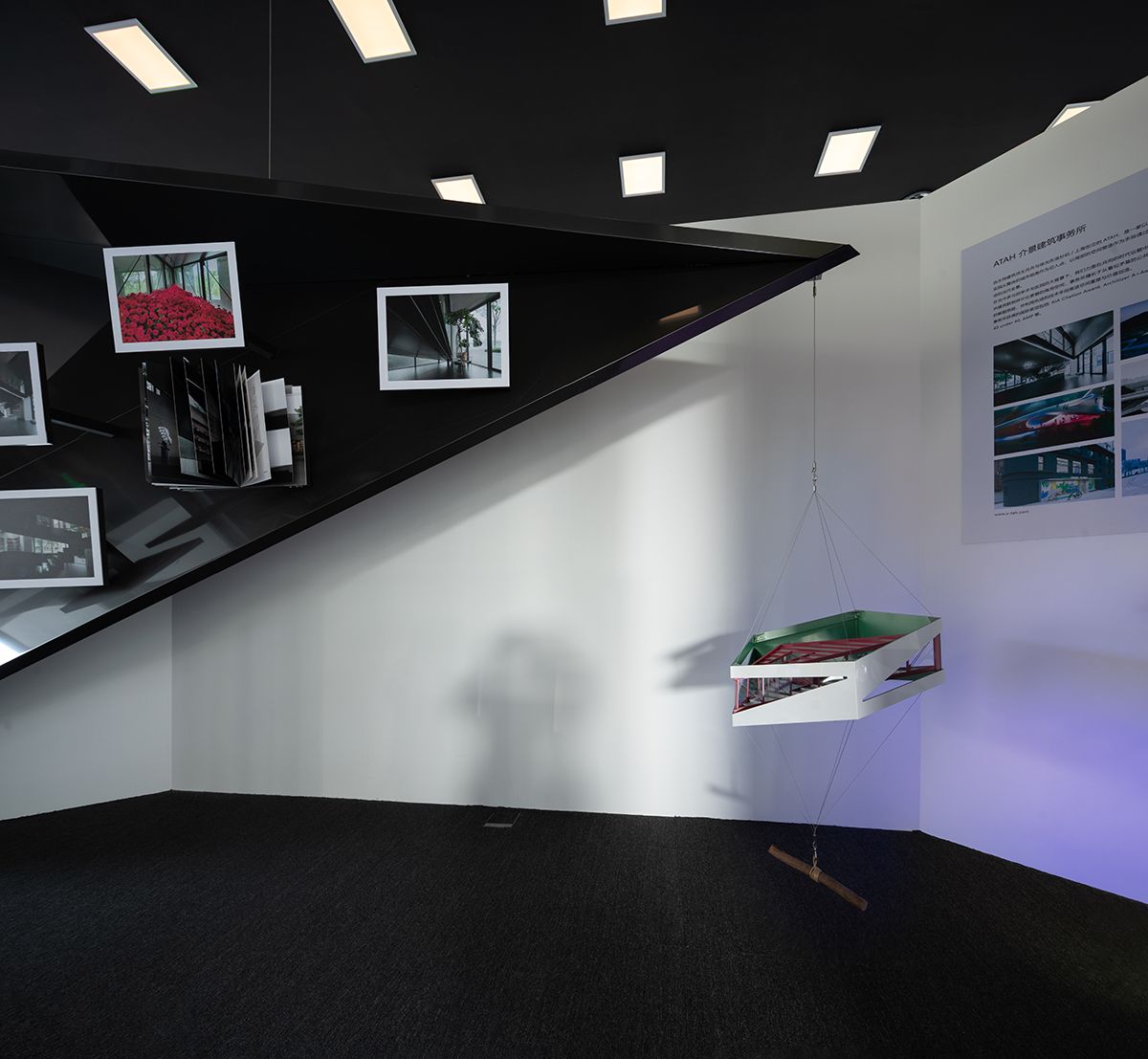
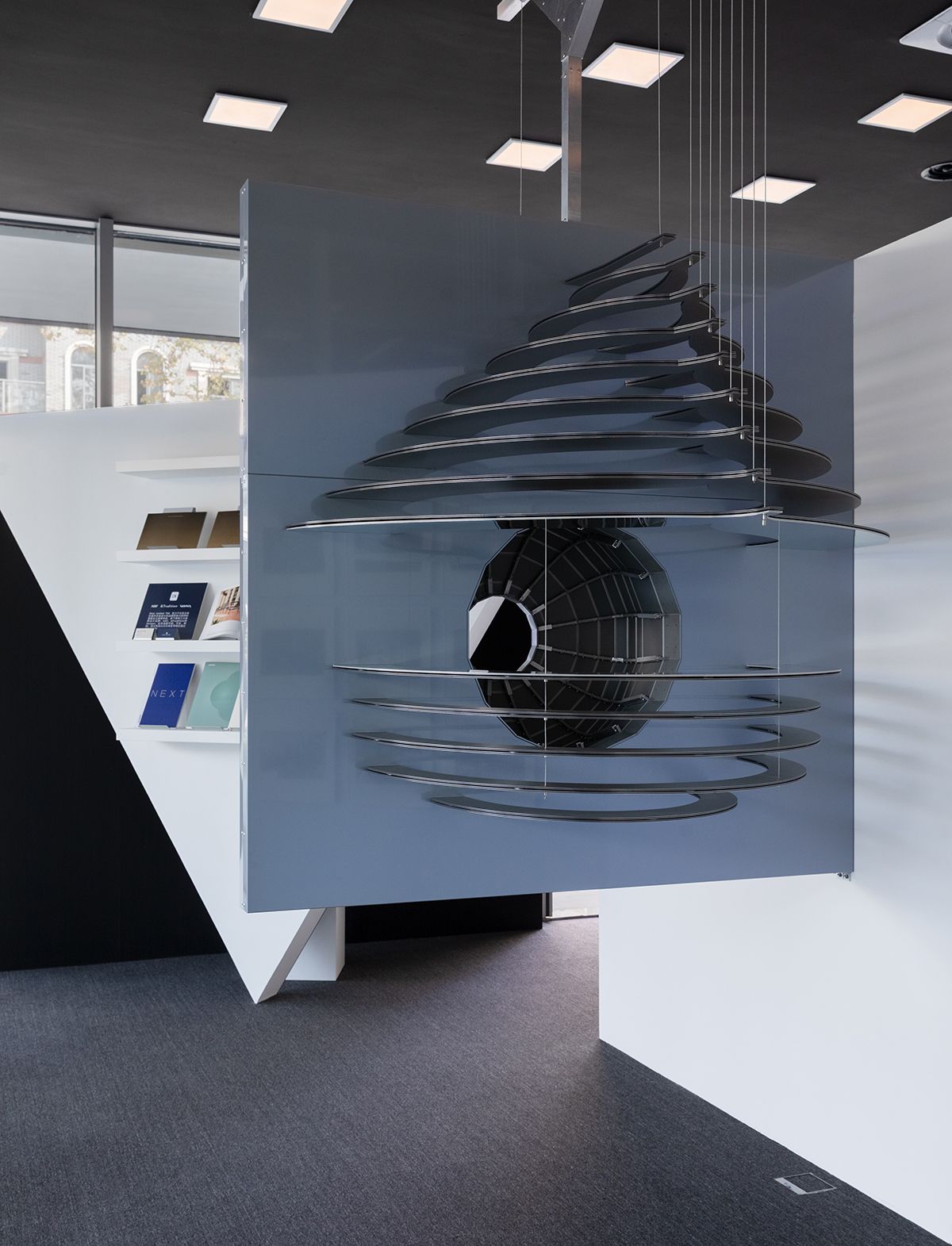
Trio of Bloom, ATAH | 花间三角颂,ATAH介景建筑事务所
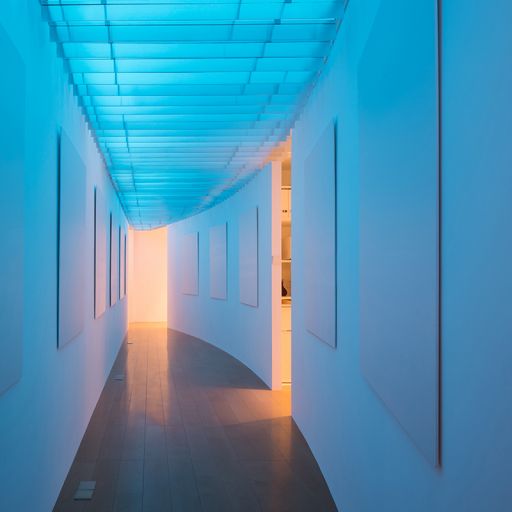
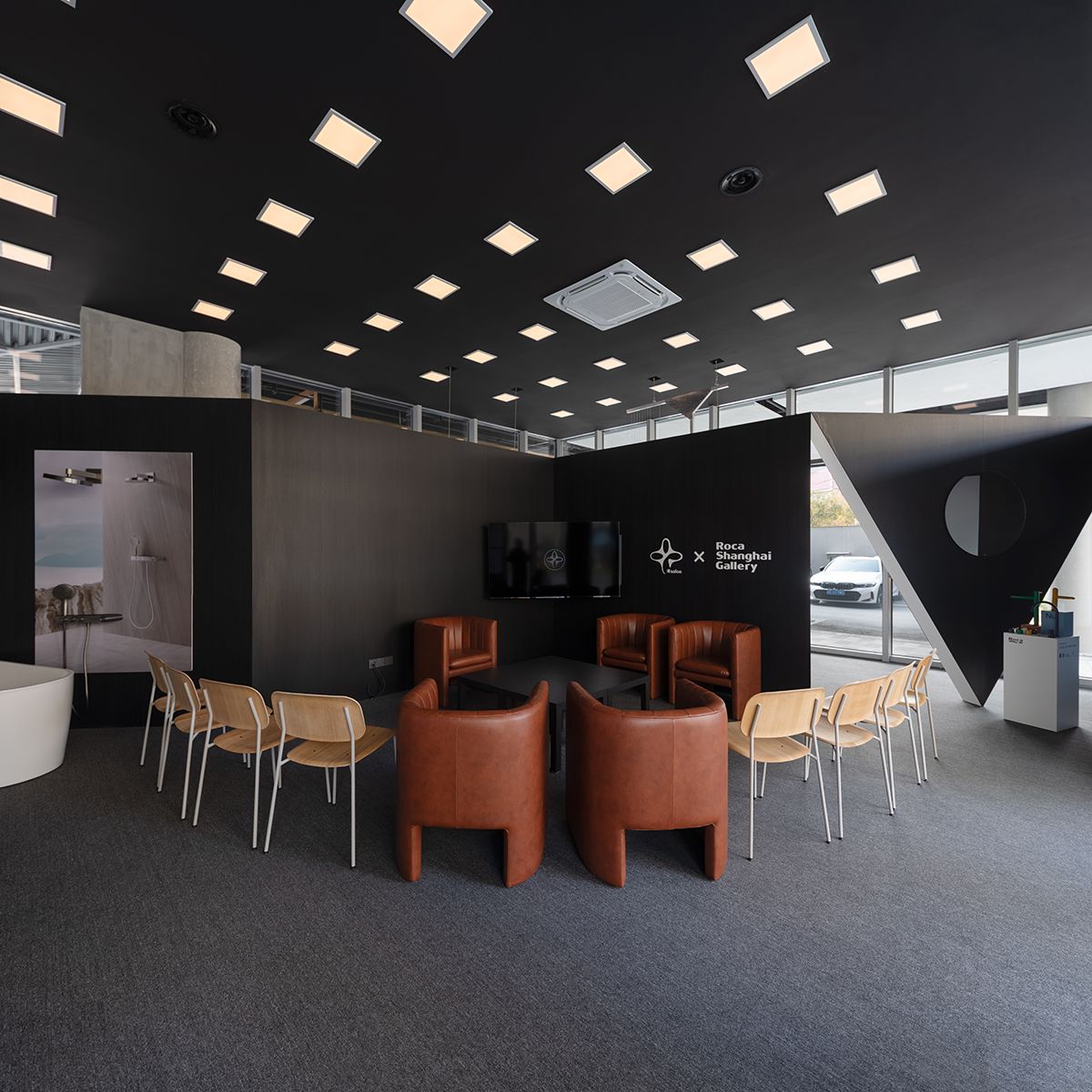
The arrangement of light is a crucial step beyond the spatial division. Although the site is a transparent glass "box" open on all sides, the design begins by conceptually restoring it to an enclosed state. A residential scale of 2.7 meters in height is established, along with a 1.2-meter free light zone between the top of the partition walls and the ceiling. In the "daytime" part that requires ample light, natural light is allowed to enter easily through the glass curtain walls, enabling the space to function normally during the day without artificial lighting. Simultaneously, a portion of the natural light flows into the "nighttime" spaces through this open zone at the top, creating a living room experience that aligns with daily rhythms. Most of the original windows in the "nighttime" spaces are sealed, while an array of lighting fixtures installed on the ceiling provides illumination at night. Intelligent controls enable scene switching to meet the needs for varying atmospheres for different scenarios, such as exhibition, entertaining, and salons.
对光线进行安排是除了空间切分动作之外的重要步骤。虽然既有场地是一个四面通透的透明玻璃“盒子”,而设计则从将它还原到封闭状态开始。在高度上设定2.7米高的居住尺度,以及隔墙到顶部之间1.2米的自由光线地带。在需要充足光线的“白天”空间里安排自然光透过玻璃幕墙无遮挡进入,使空间在白天时无灯光照明的介入也可以正常使用,同时一部分自然光经过顶部1.2米的开敞地带流入“夜晚”空间,营造符合日常感的客厅体验。“夜晚”空间的原有窗面中大部分做了封闭处理,在顶面阵列排布的灯具提供夜晚时照明,智能控制切换场景,满足空间对展示、接待、小型聚会、沙龙等不同场景下氛围变化的需求。
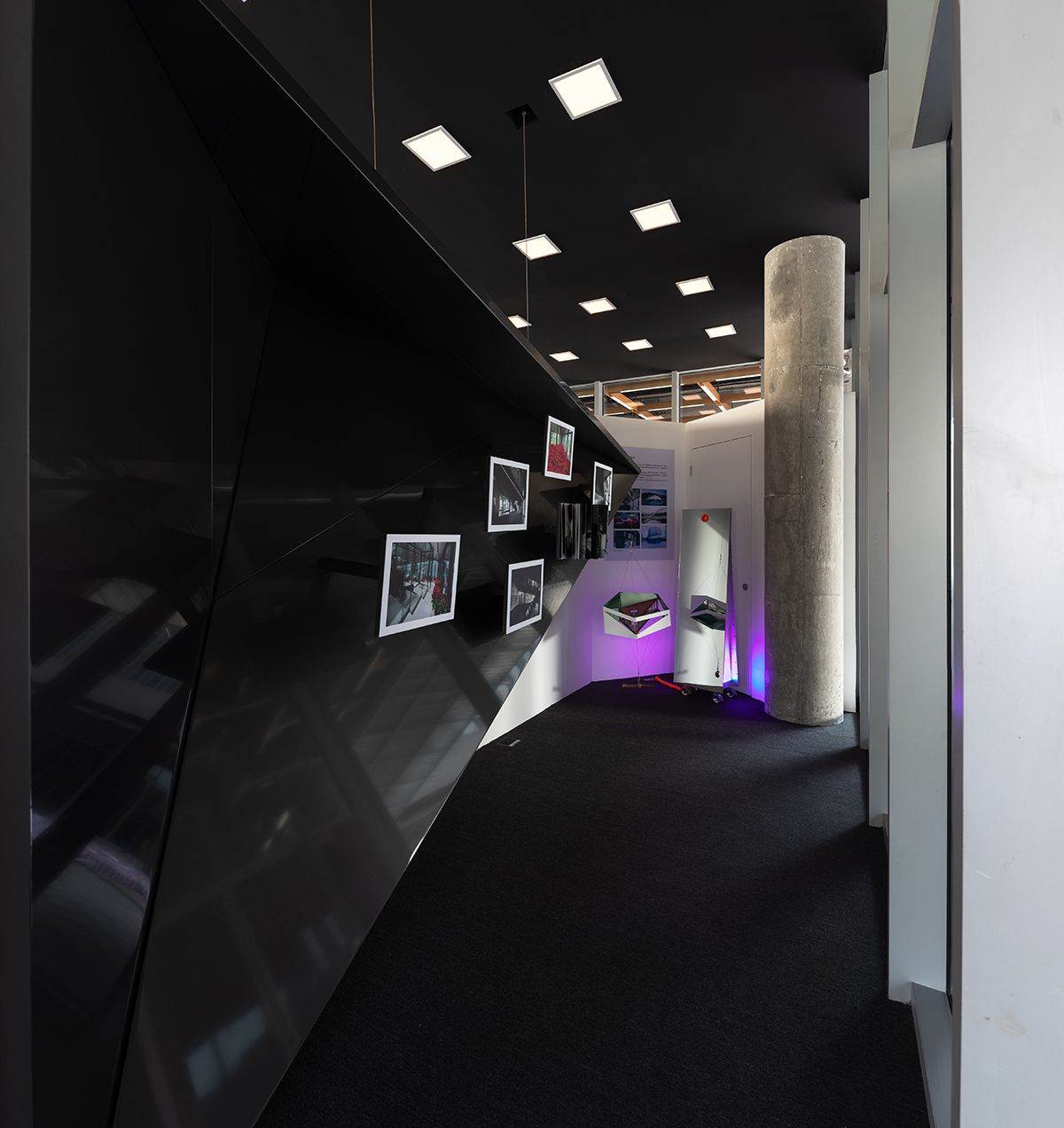
gallery 1 | 展厅一
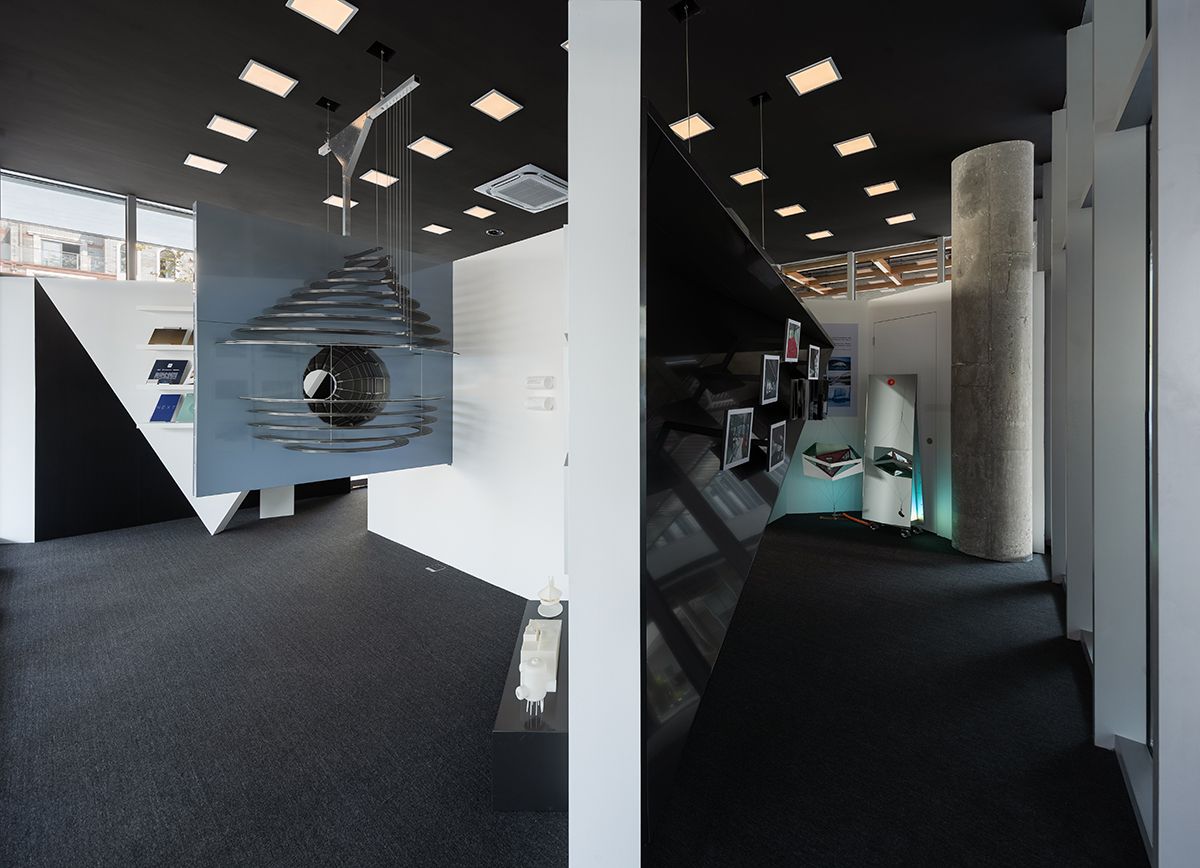
gallery 1 & 2 | 展厅一与展厅二
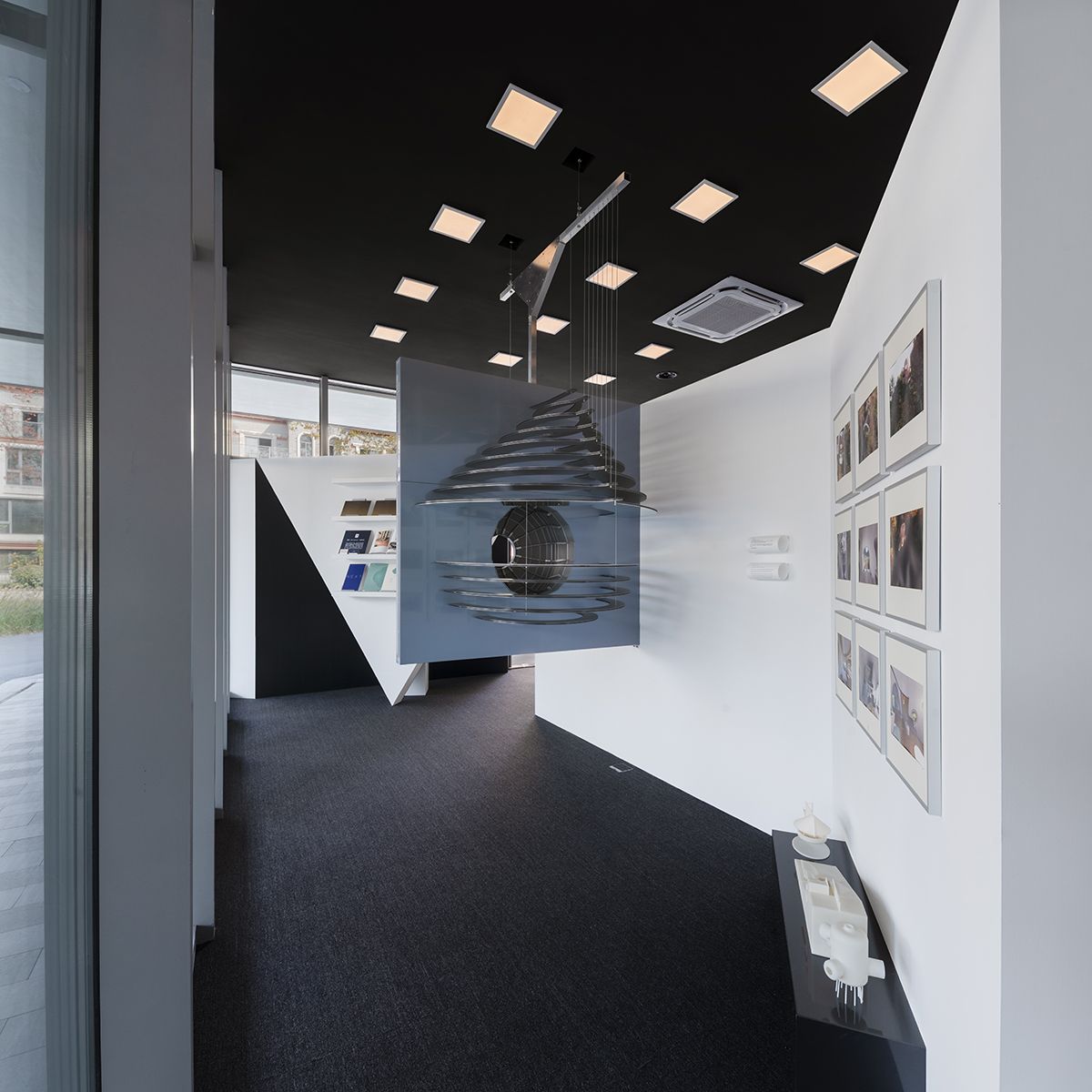
Sleeping with Animals, MONOARCHI | 与动物同眠”,MONOARCHI 度向建筑
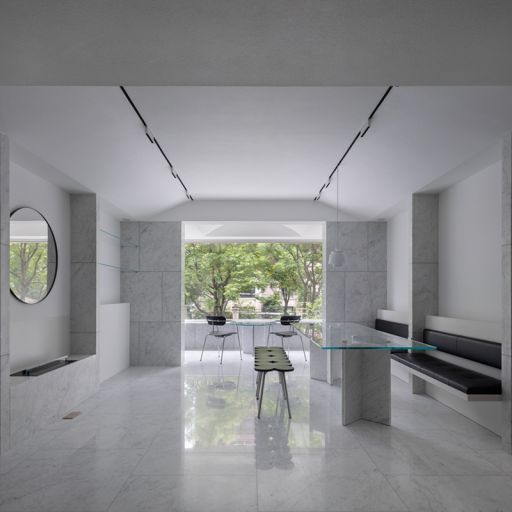
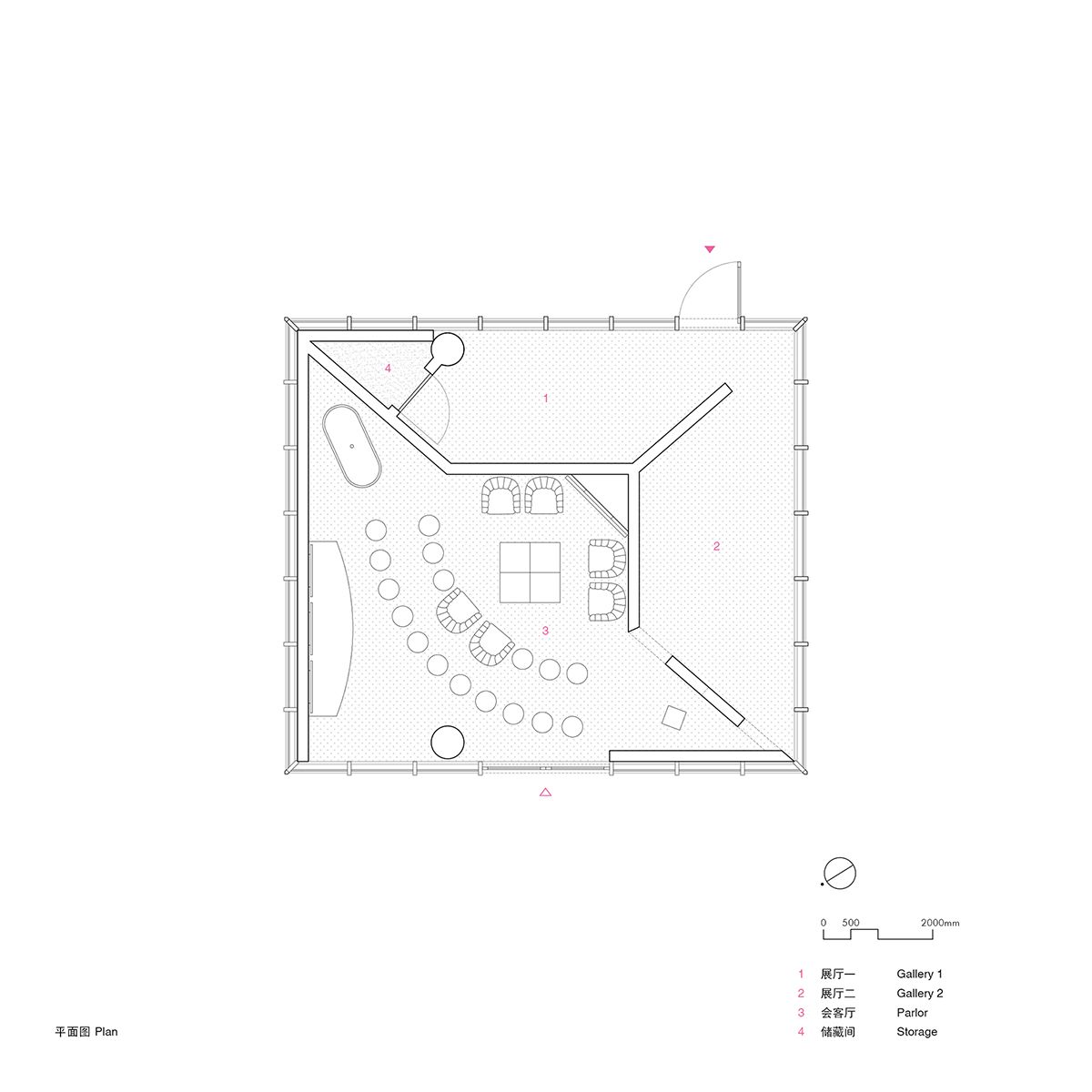
The "daytime" space is divided into two galleries, adopting a flexible gallery layout to facilitate a series of themes or art and installation shows curated in collaboration with brands and architects. This area is relatively more fluid that displays could be updated regularly. For the opening of Roca × 米(mi) salon Space, ATAH and MONOARCHI were invited to create works especially for the space. The former condenses the spatial syntax of the firm's West Bund project into a miniature stage as a connector between design outcomes and reinterpretation; the latter transforms several small houses originally built for a wildlife park into tree hollow–like spaces, shaping a human perspective by approximating animals’ view.
“白天”空间分为两个展厅,采取灵活布展的方式,为品牌与建筑师的联动策划一系列主题展览或艺术及装置展览,相对更具流动性,将定期进行更换和调整。Roca × 米salon Space 开幕后的首场装置展邀请了ATAH 介景建筑事务所和MONOARCHI 度向建筑,分别以“花间三角颂”和“与动物同眠”为主题进行创作,前者浓缩了事务所西岸项目空间句式的迷你舞台,是一个设计成果与再创作的连接器;后者尝试将项目中为某地野生动物园建造的几个小房子变成树洞,以贴近动物的方式塑造人类视角。
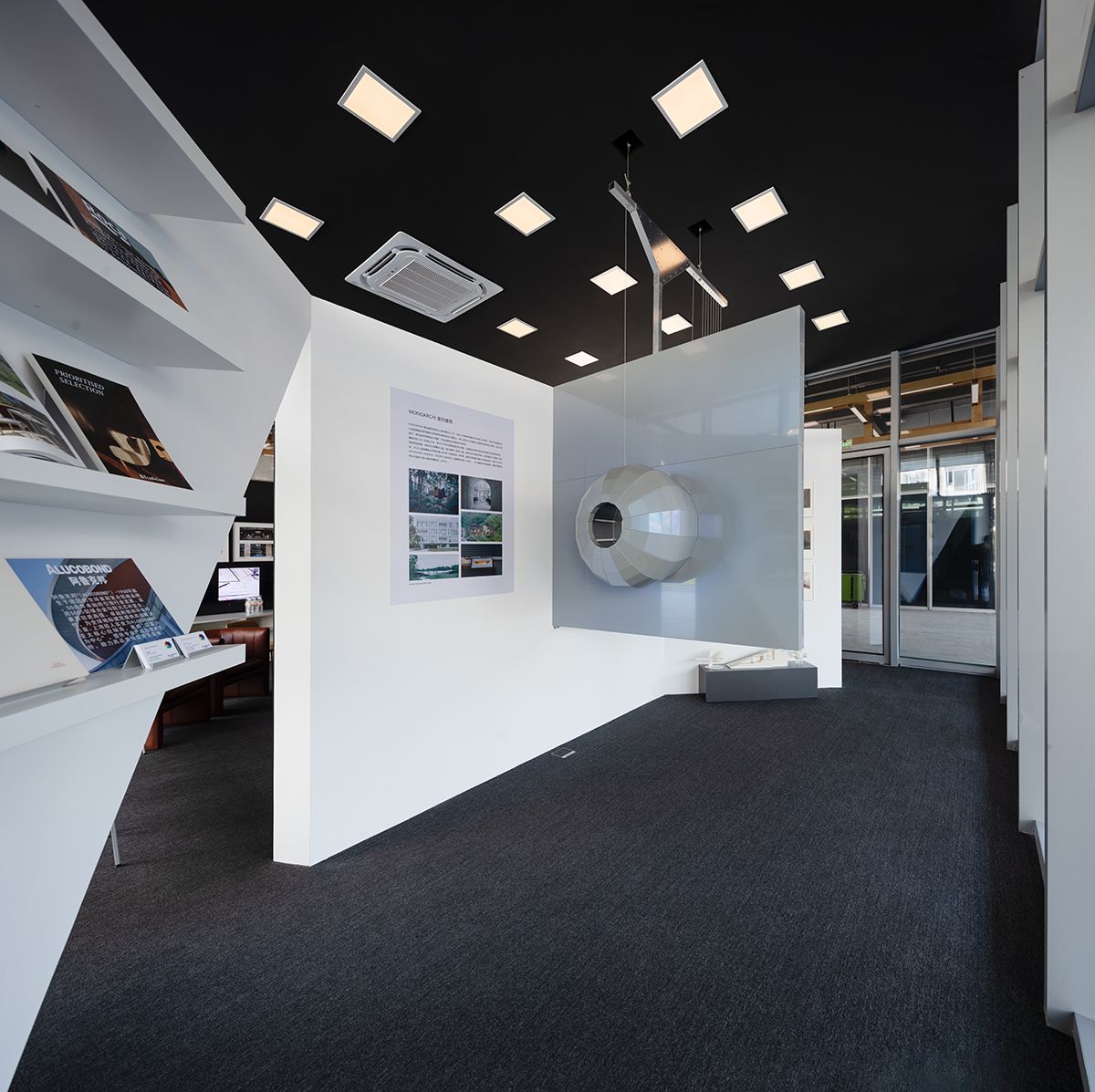
gallery 2 | 展厅二
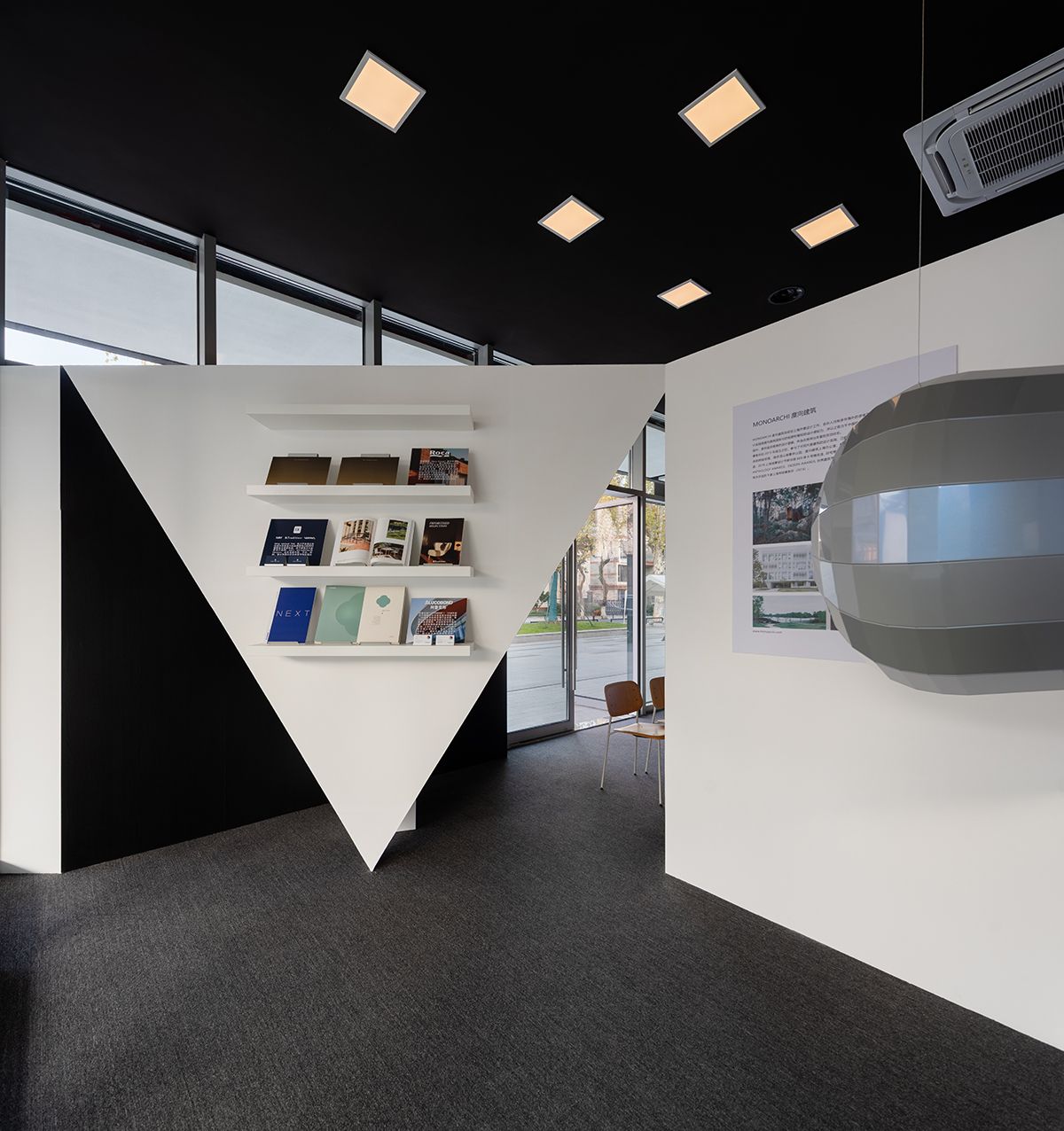
gallery 2 | 展厅二
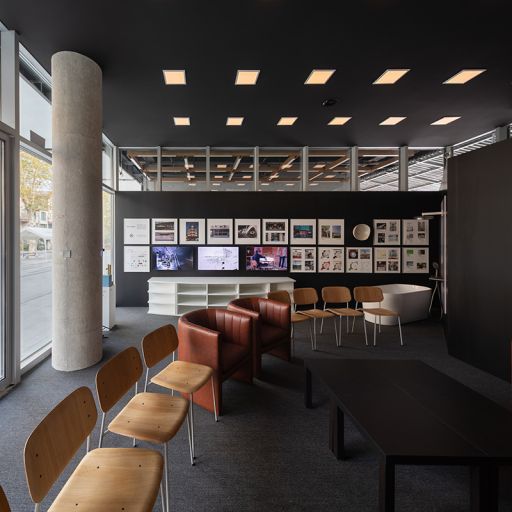
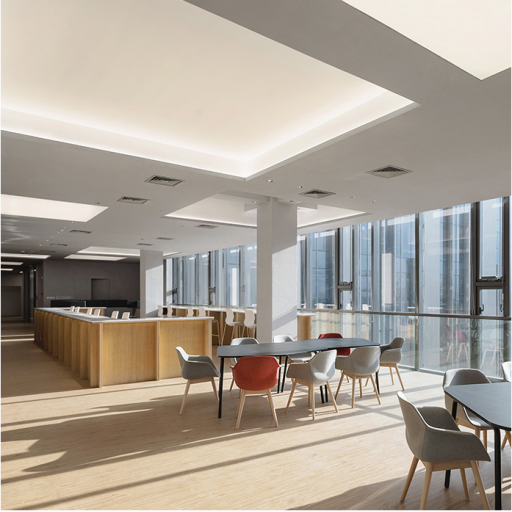
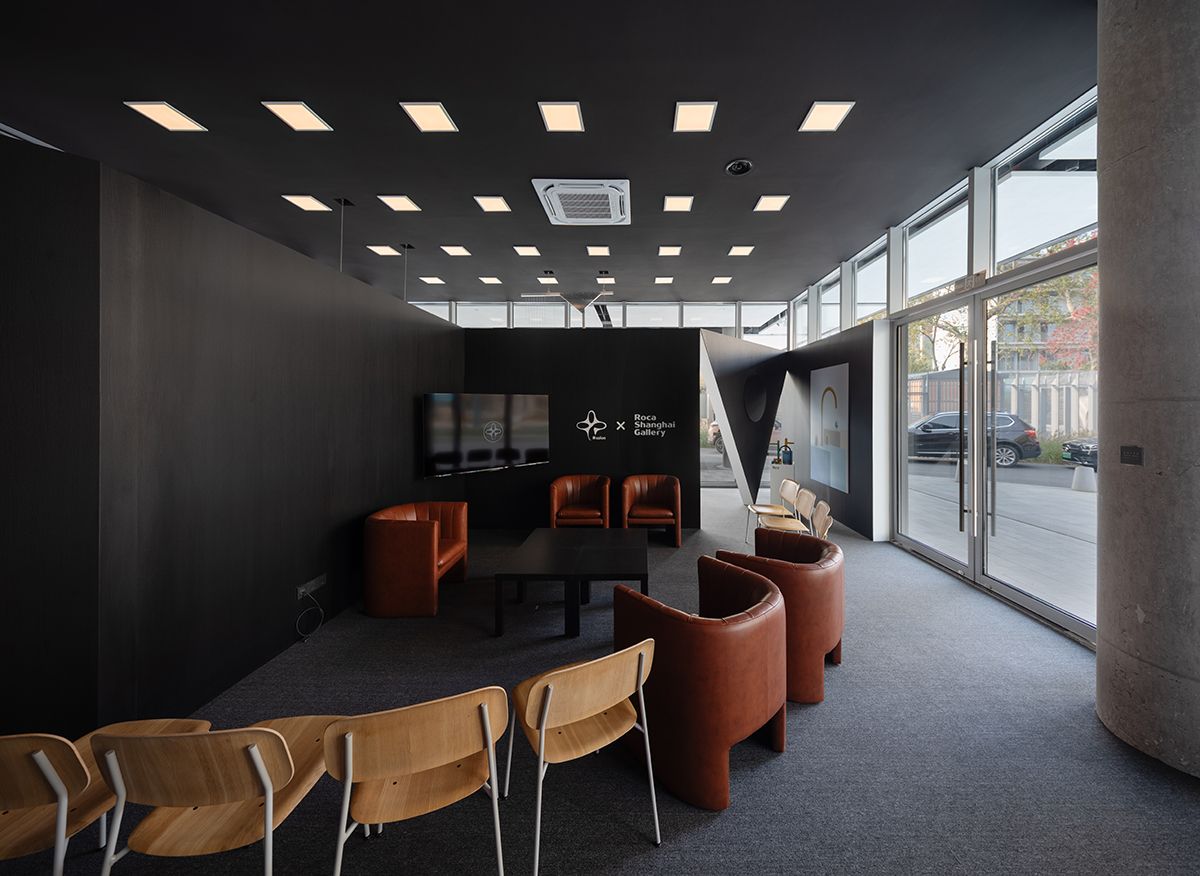
The "nighttime" part is relatively fixed, much like the living room of a "home." It welcomes everyone as both a casual spot for friends to gather, chat, and enjoy tea. It’s also a lovely venue for events such as salons, discussions, and small lectures accommodating 10 to 30 people. It offers a set of sofa and some lightweight, flexible chairs so that the number of seats might be adjusted according to functional needs. The display area includes video about Roca Gallery's seven global gallery spaces, past event posters of 米(mi) salon, and Roca product showcases and introductions. Three TV screens are arranged side by side for daily scrolling.
“夜晚”的活动空间相对固定,就像“家”的会客厅一样,以邀请和接待的姿态面对所有人,既可以成为三五朋友相约聊天喝茶的场所,也可以承办10人至30人左右的沙龙、讨论会、小型讲座等活动,中心布置了一组沙发并配备灵活轻量的座椅,通过座位的增减满足具体功能内容。展示区域包括关于Roca Gallery全球七个展厅的影像资料,米salon往期海报,Roca产品展示及介绍等,三块电视屏幕以并置方式滚动播放空间相关内容。
gallery 2 | 展厅二
The design approach implemented in the project follows an inside-out logic. The prototype of the transparent box is reconfigured especially the light being "sculpted" by the division into "daytime" and "nighttime" zones. Meanwhile, the open section between the 2.7-meter height and the 3.9-meter ceiling subtly emphasizes the continuity of time. The entrance is positioned on the southwest side of the site, allowing ample natural light to flow into the two galleries located there. Under the interplay of light and shadow, the artworks offer visitors quite rich sensory experience. The large door on the north side of the event space remains closed under normal circumstances to keep tranquil and stable atmosphere which is distinctive from the "daytime" zone. During events, this door can be opened as an independent entrance and exit. Within the 2.7-meter-high space, people can orient themselves toward different directions to experience varying environments: facing south offers a view of the building's inner courtyard, west looks onto the garden path, and north opens toward a small plaza between the building and the city street. The shifting paths within the space thus create diversified experiential sequences.
在Roca × 米salon Space 实践的是由内而外的设计路径,将透明盒子原型进行重新设置,用“白天”和“夜晚”的部分对光线进行裁剪,同时2.7米高至3.9米顶部之间的开敞部分提示了时间的连贯。入口设定在场地西南侧,充足自然光线进入西南方位上的两间展厅,艺术展品在光影作用下给参观者带来丰富感受。活动空间北面大门平时关闭,以宁静、稳定的气氛区别于“白天”,举办活动时大门可打开作为独立出入口。在2.7米高的空间里人们可以朝向不同地点体验差异化的环境,比如朝南能看到整栋建筑的内院,朝西是园区小路,朝北则面向建筑与城市街道之间的小广场,在空间里的路线转换带来不同体验。
living room | 会客厅
living room | 会客厅
On November 16th, 2025, 米(mi) salon was successfully hold after the project establishment. Bringing the salon out of Shanghai to Moganshan was a shared aspiration among the five organizers which are atelier mearc, ATAH, Roca Gallery, MONOARCHI, and ARCHIPELAGO. The ongoing progress of the Moganshan Yu Village renovation provided the opportunity to realize the vision. This space is set to become a hub connecting architects with both rural and urban contexts, fostering the idea exchanges, new technologies communications, and reflections on tradition.
2025年11月16日,在Roca × 米salon Space 的“夜晚”会客厅举办了空间落成后第一场米salon活动。让米salon走出上海,来到莫干山,是包括米凹工作室、ATAH介景建筑事务所、Roca Gallery、MONOARCHI度向建筑、群岛ARCHI-PELAGO在内的五位主办方共同的愿望,莫干山庾村更新建造项目的持续推进成为愿望最终得以实现的契机。这里将成为链接建筑师与乡村、城市的所在,容纳思想的碰撞、新技术的探讨,以及对传统的回望。
plan | 平面图
axonometric | 轴测图